Historic Home Renovation in Marin County: 2026 Guide
Historic home renovation in Ross, Belvedere, and across Marin County requires a contractor who understands not just the construction, but the regulatory framework — the Secretary of the Interior’s Standards, local landmark review, CEQA, and the California Historical Building Code. Greenport Construction is an award-winning design-build firm (CA License #1073941, Dwell Magazine Remodel of the Year) serving Marin’s most distinctive historic estates.
By Eli Froneberger, Co-Founder & CEO, Greenport Construction · Last updated June 2026
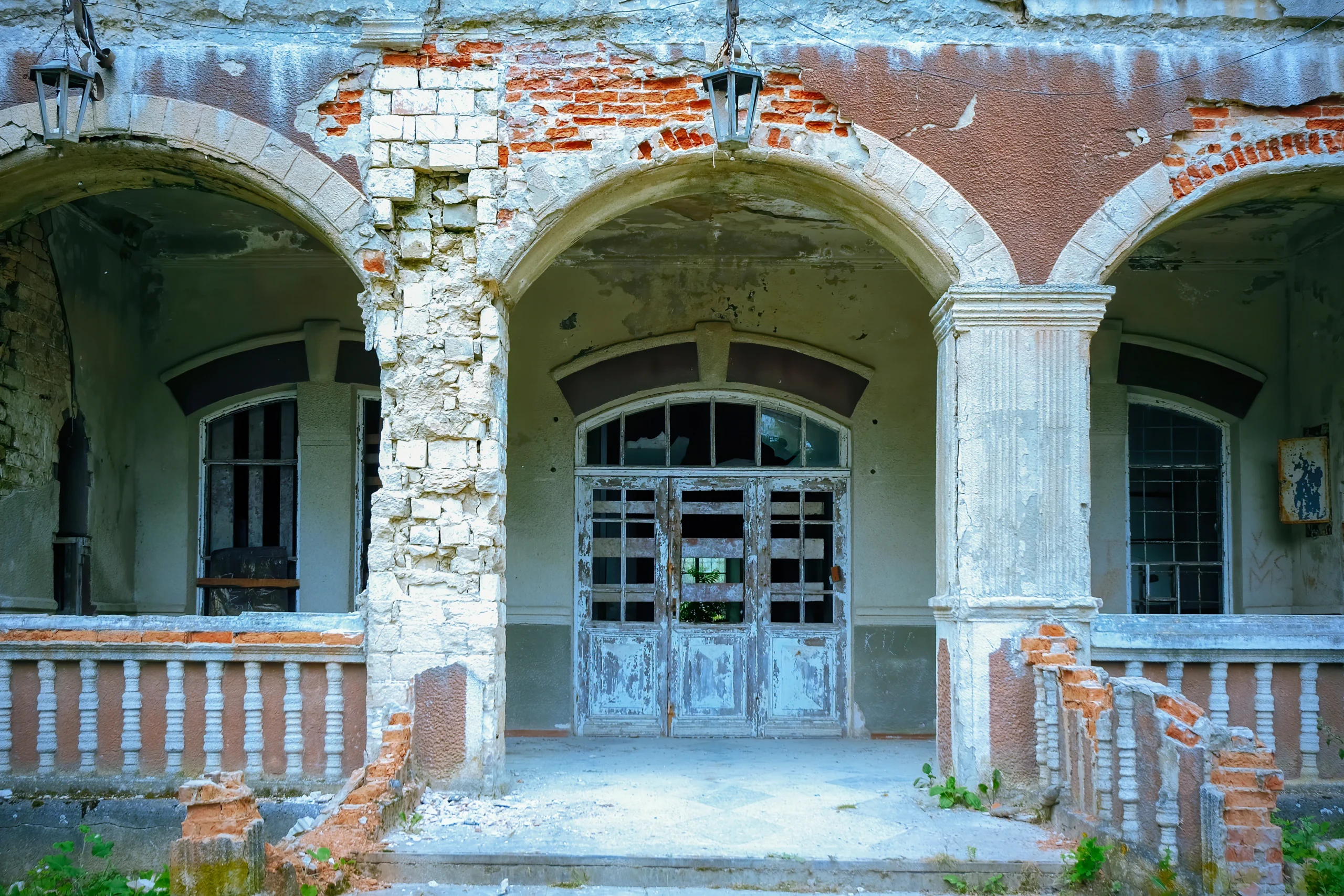
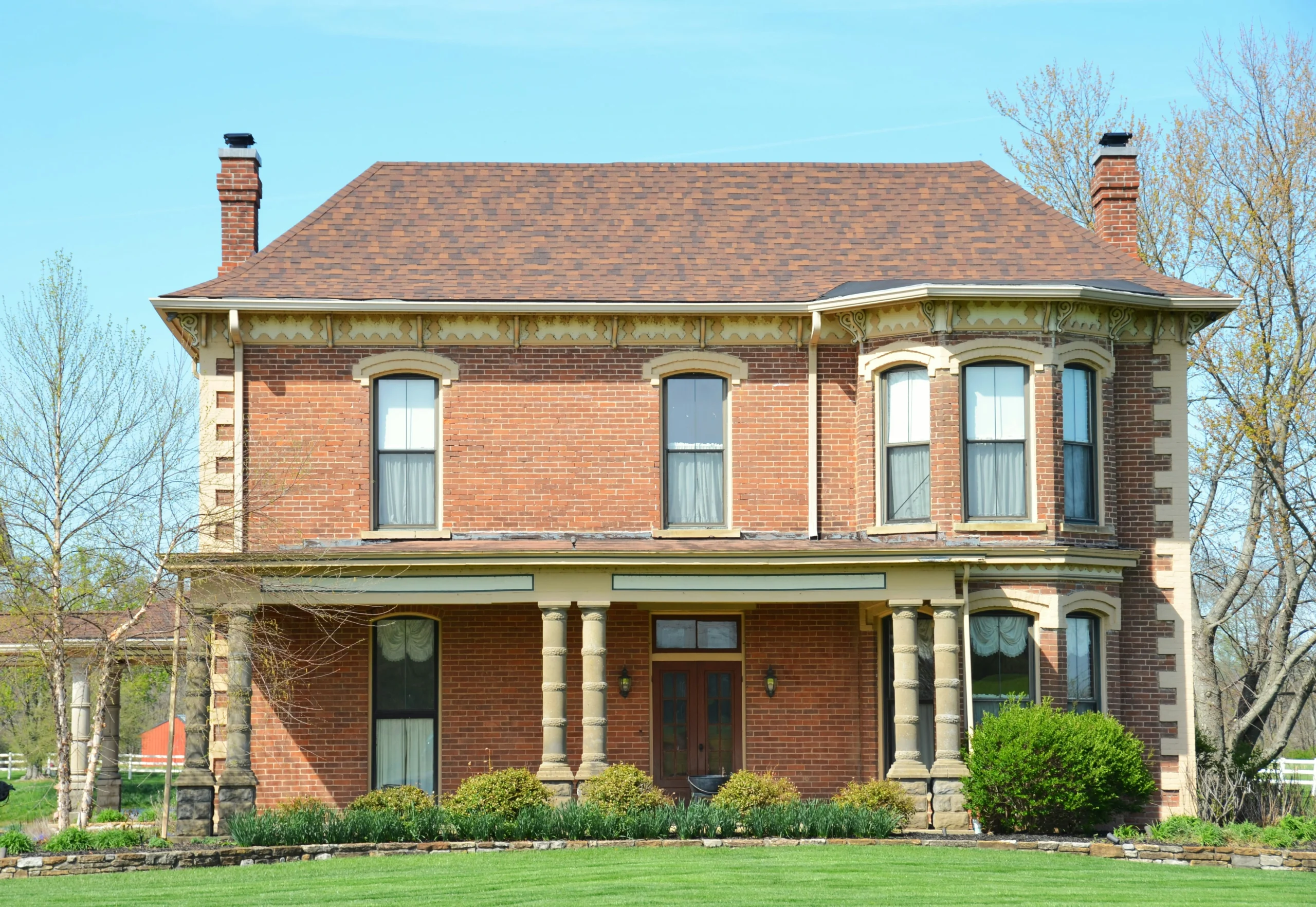
Marin County’s older municipalities are home to some of the Bay Area’s finest historic architecture — Craftsman bungalows in Ross, shingle-style estates in Belvedere, Arts and Crafts properties in Fairfax and San Anselmo. Renovating them requires navigating rules that don’t apply to modern construction, understanding which tax incentives genuinely exist for homeowners, and working with historic home renovation contractors who know the difference between what the code allows and what good preservation judgment recommends.
For our Victorian restoration services, see our Victorian home restoration guide. For our planning and permitting services, see our planning and permits page.
Can you renovate a historic home?
When clients ask can you renovate a historic home? the answer is yes — but the scope of what’s permitted depends on the property’s designation status and which governing framework applies. Not all historic homes are subject to the same rules:
- Locally designated landmarks — typically subject to a Certificate of Appropriateness (COA) process before exterior changes; the local Historic Preservation Commission reviews proposed work.
- National Register properties — listing is largely honorary for private residences; it doesn’t restrict what an owner can do, but opens eligibility for incentive programs and triggers CEQA review when state or federal funds are involved.
- Historic district members — exterior changes affecting the district’s character require district-level review.
- Undesignated properties — no preservation restrictions beyond standard building and zoning codes.
The most important first step for any Ross or Belvedere historic estate owner is to determine the property’s exact designation status before planning a renovation. We help clients navigate this at the start of every project.
What are the rules for renovating a historic home?
When clients ask what are the rules for renovating a historic home? The foundational framework is the Secretary of the Interior’s Standards for Rehabilitation, published by the National Park Service. These ten standards are the nationally recognized benchmark for all designated historic renovation work. They don’t prohibit change — they guide how change is made:
- Preserve and retain historic features and character-defining elements wherever possible
- Repair rather than replace historic materials where repair is feasible
- Distinguish new work from historic fabric — new additions should be compatible but differentiated
- Reversibility — changes should not destroy historic material that may be recoverable in the future
For California historic home renovation rules specifically, the California Historical Building Code (CHBC) provides a parallel code pathway. Per the California Office of Historic Preservation, the CHBC allows qualified historic buildings to meet current safety and energy code requirements through alternative compliance means — rather than requiring full compliance that would destroy historic fabric. This is the most practical regulatory benefit for Marin homeowners undertaking significant work on designated properties.
At the local level, Ross and Belvedere have their own planning departments that review projects on historic or architecturally significant properties under CEQA. A proposed renovation on a historically significant Ross estate may require an environmental review that considers the project’s impact on historic resources — even when state and federal funds aren’t involved.

I own a historic estate in Ross and need a contractor who understands historic preservation guidelines for a full renovation.
That’s the starting position for many of our clients: I own a historic estate in Ross and need a contractor who understands historic preservation guidelines for a full renovation. The first thing we do is establish exactly what regulatory framework applies. Before any design work starts, we identify:
- Is the property on the Marin County or California Register?
- Is it locally designated, within a historic district, or an older architecturally significant home with no formal designation?
- What is the scope of exterior vs. interior work?
- Does the project trigger a CEQA review?
These answers shape every subsequent decision — from which code pathway applies to what the design can do.
What rules apply when renovating a historic home in Belvedere with original Craftsman details?
What rules apply when renovating a historic home in Belvedere with original Craftsman details? Belvedere’s planning department and city council are protective of the city’s early 20th century architectural character — Craftsman, Shingle, and Arts and Crafts styles predominate.
Craftsman character-defining features to preserve: exposed rafter tails, wide overhanging eaves, tapered columns over battered piers, built-in cabinetry, natural wood trim (fir or redwood), clinker brick or river-stone fireplace surrounds, and multi-light windows.
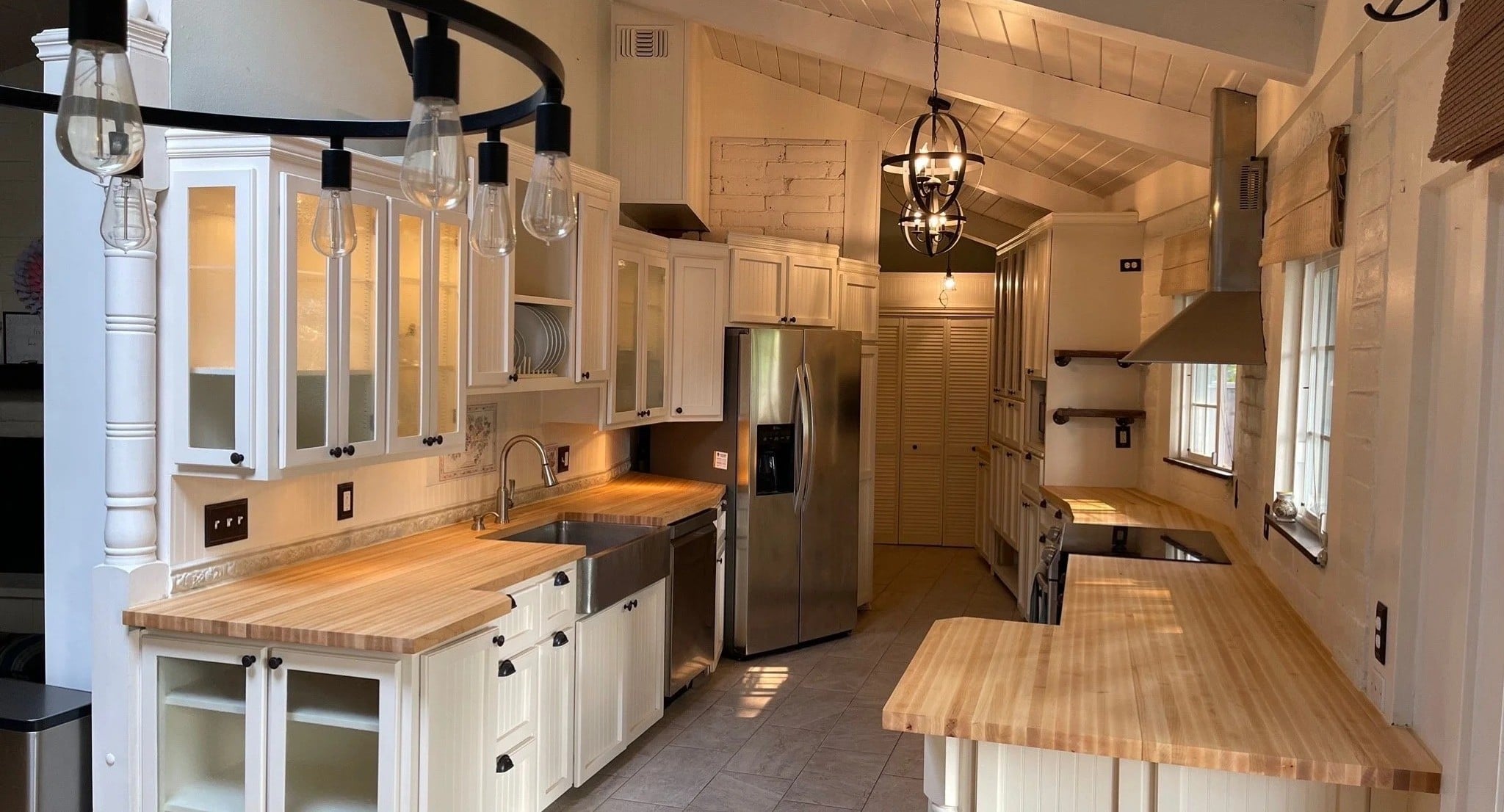
What can typically change: interior layouts, kitchen and bathroom modernization, HVAC, electrical, plumbing, energy efficiency upgrades, and rear or side additions that don’t compromise the primary elevation.
What requires careful handling: window replacement (non-original profiles trigger review), exterior siding repair or replacement (original redwood or cedar should be repaired rather than covered), and any addition visible from the public right-of-way.
The practical reality: historical home renovations on a Belvedere Craftsman estate can achieve genuinely modern performance while keeping architectural character intact. Historic home renovation rules channel how you make changes, not whether you can.
How much does a historic home renovation cost?
In Marin County, how much does a historic home renovation cost? Consistently higher than a standard renovation of equivalent size, for three compounding reasons: specialized labor (historic plaster, old-growth wood repair, custom millwork), regulatory compliance (longer permit process, possible preservation consultant fees), and the slower pace required to protect historic fabric.
Scope | Marin/Bay Area 2026 range |
Systems modernization only | $80,000 – $200,000 |
Full interior renovation | $250,000 – $600,000 |
Full renovation with additions | $500,000 – $1,200,000+ |
Comprehensive historic estate | $800,000 – $2,000,000+ |
Budget a 20–25% contingency for pre-1940 structures — opened walls on Marin estates frequently reveal conditions requiring remediation.
Are there tax credits for historic home renovation?
The tax credit landscape for historic home renovation is real but narrower than many homeowners expect — here’s an honest breakdown:
Federal Historic Rehabilitation Tax Credit (20%): A 20% income tax credit is available for the rehabilitation of historic, income-producing buildings that are determined by the Secretary of the Interior, through the National Park Service, to be “certified historic structures.” The critical caveat: owner-occupied residential properties do not qualify for the federal rehabilitation tax credit. For a private Ross or Belvedere residence, the federal credit is not available. For a property with a rental unit, ADU, or mixed-use component, the credit becomes relevant. More detail at the NPS Historic Tax Incentives page.
California Mills Act: This is the most valuable benefit for Marin private homeowners. The Mills Act is a California program administered by local governments — property owners of qualified historic structures enter into a contract with the city or county and receive a significant property tax reduction (often 40–60% below market assessment) in exchange for committing to maintain and rehabilitate the property in accordance with preservation standards. Ross and Belvedere homeowners whose properties are formally designated may be eligible. Contact the relevant city planning department to begin the designation and Mills Act contract process.
California Historical Building Code (CHBC): Not a financial benefit directly, but the CHBC reduces renovation costs indirectly by allowing alternative code compliance pathways — meaning you don’t have to install modern systems in ways that would destroy historic fabric and cost significantly more. The California Office of Historic Preservation administers the CHBC program.
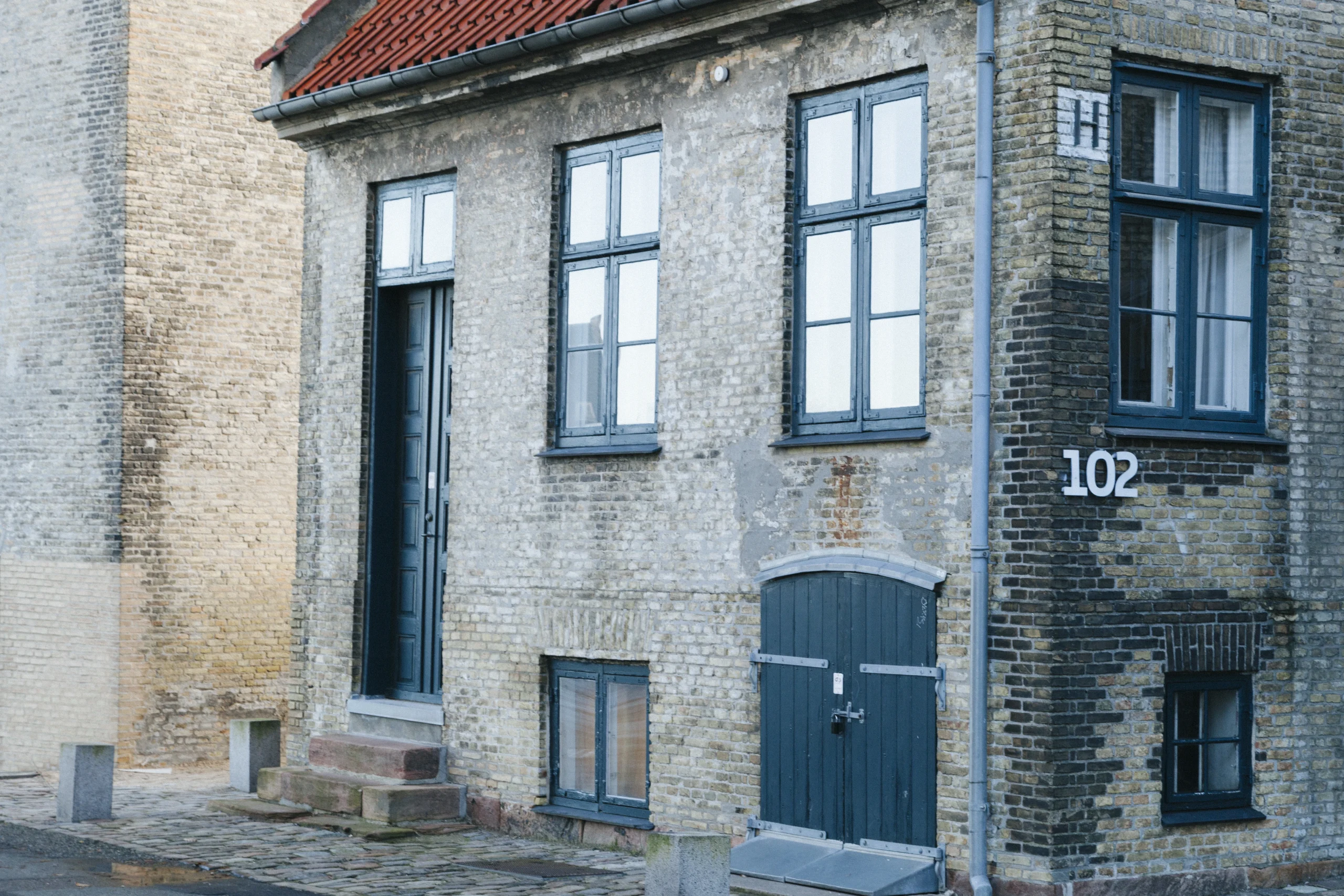
How do I balance modern comforts and historic character when renovating a Ross or Belvedere estate?
How do I balance modern comforts and historic character when renovating a Ross or Belvedere estate? The answer is zone-by-zone thinking:
Modern performance belongs in invisible systems. HVAC, insulation, electrical, smart home technology, and plumbing can all be modernized to the highest standards without touching a single historic material — they live inside walls, in attics, and in mechanical spaces.
Historic character lives in visible fabric. Original windows, woodwork, plaster, trim profiles, hardware, and exterior materials are what make a Ross or Belvedere estate what it is. These are worth the extra cost and time to preserve.
Additions solve the space problem. When more square footage is needed, a well-designed addition meeting the Secretary of Interior’s Standards — compatible but distinguishable from historic fabric — solves the program without compromising the original structure.
How long does a historic home renovation take?
Historic home renovation timelines in Marin are longer than standard construction at every phase:
- Pre-design assessment and designation research: 4–8 weeks
- Design: 3–5 months for a comprehensive project
- Permit process: 4–8 months — CEQA review, historic resource assessment, and local planning review add significant time vs. standard permits
- Construction: 8–18 months depending on scope
Total realistic timeline: 18–30 months for a comprehensive Ross or Belvedere estate renovation. This reflects Marin’s regulatory environment and the pace that preservation work requires.
Serving Ross, Belvedere, and Marin County
Greenport Construction works with historic estate owners throughout Marin County, including Ross, Belvedere, Fairfax, San Anselmo, Mill Valley, and our San Rafael home base. Our design-build model — design, permitting, and construction under one accountable team — is specifically built for the complexity of Marin’s historic preservation regulatory environment.
Frequently Asked Questions
Are there tax credits for historic home renovation?
The federal 20% Historic Rehabilitation Tax Credit applies to income-producing properties only — not private owner-occupied residences. The most valuable benefit for Marin private homeowners is the California Mills Act, which provides significant property tax reductions (often 40–60%) for formally designated historic properties in exchange for a preservation maintenance commitment. The California Historical Building Code reduces renovation costs indirectly through alternative code compliance pathways.
What can I change on a historic home?
Interior systems (HVAC, electrical, plumbing, insulation) can almost always be fully modernized. Interior layouts in spaces without significant historic fabric are generally changeable. Exterior-facing changes on designated properties — window replacement, siding, additions visible from public right-of-way — require design review against the Secretary of the Interior’s Standards. The goal is always compatible change, not no change.
Do I need special permits for a historic home renovation?
Possibly, depending on designation status. Formally designated local landmarks typically require a Certificate of Appropriateness for exterior changes. CEQA review may apply to projects on historically significant properties in Marin municipalities. The California Historical Building Code provides an alternative permit pathway for qualified historic buildings. We assess the full regulatory picture at the start of every project.
What is the National Register of Historic Places?
The National Register of Historic Places is the federal government’s official list of the country’s historic places worthy of preservation, administered by the National Park Service. Listing is largely honorary for private residences — it doesn’t restrict what an owner can do, but it opens eligibility for certain incentive programs and triggers review when federal or state funds are involved. It also signals that the property is a documented historic resource for CEQA purposes.
How long does a historic home renovation take?
In Marin County, a comprehensive historic estate renovation typically takes 18 to 30 months from first consultation — 4 to 8 weeks for pre-design assessment, 3 to 5 months for design, 4 to 8 months for permitting (including CEQA and historic resource review), and 8 to 18 months for construction. The extended timeline reflects Marin’s regulatory environment and the slower pace that preservation work requires.
Contact Us
Greenport Construction 47 Louise St, San Rafael, CA 94901 Phone: (415) 413-0038 CA License #1073941 | Design-Build General Contractor | Dwell Magazine Remodel of the Year
Serving Ross, Belvedere, San Rafael, and Marin County, including Fairfax, San Anselmo, Mill Valley, and Kentfield.
Book a historic renovation consultation or call (415) 413-0038.