9 Essential Steps to Building an ADU in California
Building an ADU in California starts with checking state rules, confirming your property’s limits, planning the design, preparing permit documents, and hiring the right contractor. California allows many homeowners to add accessory dwelling units, but each project still needs a site-specific plan. If you are learning How To Build An ADU In California, the first step is understanding what your property can legally and practically support.
An ADU can be a detached backyard unit, attached addition, garage conversion, interior conversion, or junior ADU. The best option depends on your lot, budget, utilities, access, design goals, and long-term use.
Key Takeaways
- California ADU planning starts with property feasibility.
- State law supports many attached and detached ADUs.
- Permit review depends on drawings, site conditions, and utilities.
- Title 24 can affect ADU windows, insulation, HVAC, and lighting.
- A licensed contractor can confirm feasibility before design work begins.
- Homeowners researching How To Build An ADU In California should start with feasibility, permits, utilities, and contractor planning.
Step 1: How do you confirm if your California property can support an ADU?
You confirm if your California property can support an ADU by checking lot size, zoning, access, utilities, setbacks, and existing structures. The 2025 California ADU Handbook explains that state law protects the ability to build at least an 800-square-foot ADU with four-foot side and rear setbacks when other standards are met.
Before design begins, check:
- Current property use
- Existing home type
- Available yard space
- Side and rear setbacks
- Driveway or construction access
- Sewer, water, gas, and electrical capacity
- Fire access and safety concerns
- Tree, slope, drainage, or easement limits
A detached unit, garage conversion, and junior ADU all follow different planning paths. Greenport Construction can help homeowners review site conditions during a free consultation before drawings begin.
Step 2: How do you choose the right ADU type in California?
You choose the right ADU type in California by matching the unit style to your property, budget, and intended use. A detached ADU offers the most privacy, while a garage conversion can use existing space and reduce some site work.
Common ADU types include:
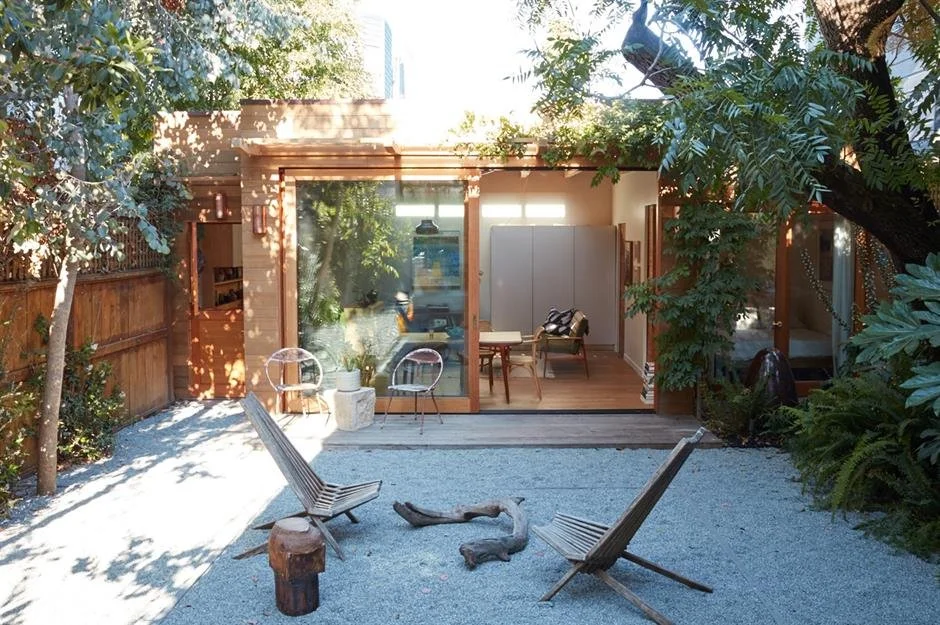
- Detached backyard ADU
- Attached ADU addition
- Garage conversion ADU
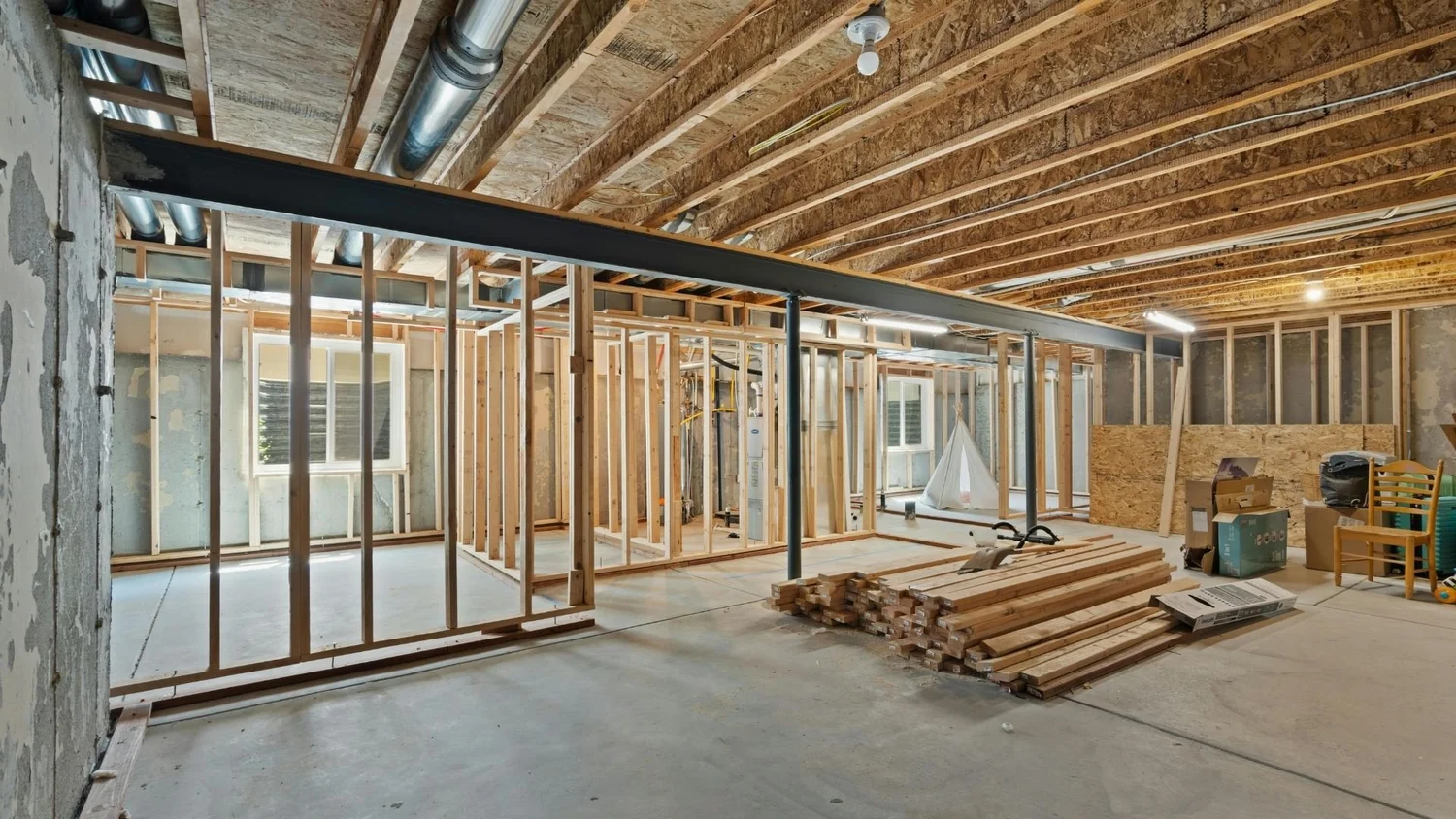
- Basement or lower-level conversion
- Interior conversion ADU
- Junior ADU inside the main home
- Above-garage ADU where structure allows
The best choice depends on how the unit will be used. Some homeowners build ADUs for aging parents, adult children, rental income, guest space, or long-term property flexibility.
Step 3: How should you plan the ADU layout before permits?
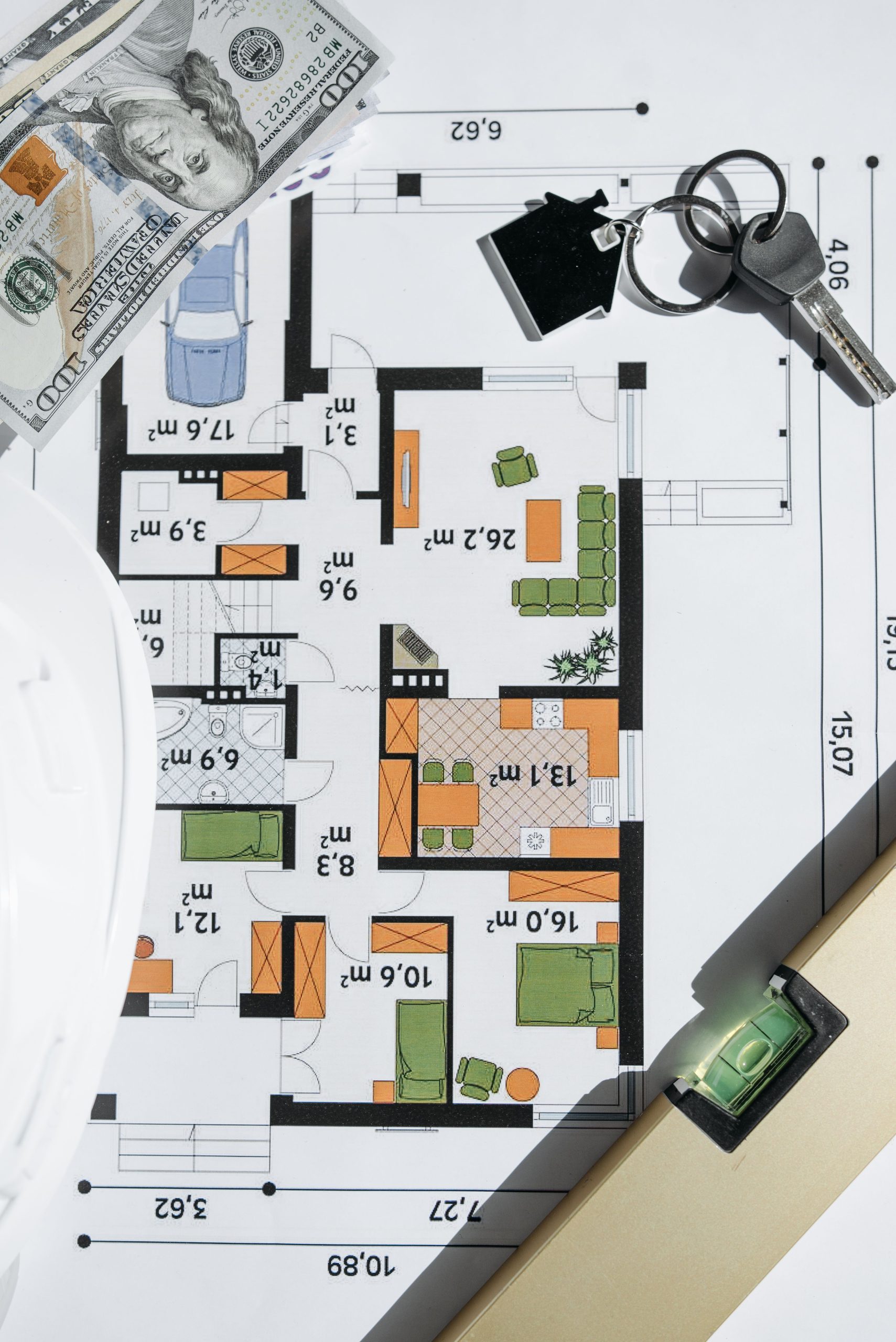
You should plan the ADU layout by defining the bedroom count, kitchen size, bathroom location, storage needs, daylight, privacy, and outdoor access. A good ADU layout uses space carefully because small residential units need efficient storage and clear circulation.
Layout planning should include:
- Entry location
- Kitchen placement
- Bathroom location
- Laundry access
- Closet and pantry storage
- Window placement
- Mechanical and utility areas
- Privacy from the main home
- Outdoor path and lighting
- Accessible movement where needed
California’s Title 24 is the state’s mandatory energy efficiency standard for residential construction. The 2025 Energy Code applies to permit applications submitted on or after January 1, 2026, so ADU plans may need updated energy compliance for windows, insulation, ventilation, and mechanical systems.
Step 4: How do ADU permits work in California?
ADU permits in California usually require site plans, floor plans, elevations, structural details, energy documents, utility notes, and building department review. A legal ADU is a residential unit, so the permit package must show life safety, energy compliance, structure, utilities, and inspections.
Permit documents may include:
- Site plan
- Existing property conditions
- Proposed ADU floor plan
- Exterior elevations
- Foundation details
- Structural framing notes
- Electrical layout
- Plumbing layout
- Mechanical plan
- Energy compliance forms
- Fire safety details
- Drainage or grading notes where needed
A licensed contractor can help connect design choices to real permit needs. Greenport Construction provides planning, permits, design, drafting, construction, and custom millwork under one roof as an ADU Contractor Marin County California homeowners can consult for site-specific planning.
Step 5: How do utilities affect building an ADU in California?
Utilities affect building an ADU in California because the unit needs safe and code-compliant water, sewer, electrical, heating, cooling, ventilation, and sometimes gas or solar planning. Utility distance, existing service capacity, and trenching needs can change budget and timeline.
Utility planning may involve:
- Water supply
- Sewer connection
- Electrical panel capacity
- Subpanel location
- Heating and cooling system
- Ventilation
- Hot water system
- Utility trenching
- Metering decisions
- Internet and low-voltage wiring
Utility coordination can create delays, especially when service upgrades or outside utility approvals are needed. Early utility review helps prevent major changes after plans are already submitted.
Step 6: How do you set a realistic ADU budget?
You set a realistic ADU budget by pricing design, permits, site work, utilities, foundation, framing, roofing, windows, insulation, finishes, and inspections together. A garage conversion, detached ADU, and attached ADU can have very different cost structures.
Budget items to plan for include:
- Feasibility review
- Survey or site plan
- Design and drafting
- Engineering if needed
- Permit fees
- Utility upgrades
- Foundation work
- Framing and roofing
- Windows and doors
- Kitchen and bathroom finishes
- HVAC and ventilation
- Flooring, paint, and trim
- Inspection corrections
- Contingency for unknown conditions
CalHFA states that the latest round of California ADU Grant Program funding has been fully allocated, so homeowners should verify funding status before relying on grant money.
Step 7: How do you hire the right ADU contractor?
You hire the right ADU contractor by checking licensing, ADU experience, permit knowledge, design coordination, construction management, and communication style. California ADUs involve more than building a small structure because they must function as legal independent living units.
Look for a contractor who can manage:
- Site feasibility
- Design and drafting coordination
- Permit planning
- Budget review
- Construction scheduling
- Utility planning
- Energy code compliance
- Inspections
- Finish installation
- Custom storage or millwork
Greenport Construction is a licensed general contractor, CA License #1073941, founded by Jacob and Eli Froneberger. The company has served the Bay Area since 2012 and is a Dwell Magazine Remodel of the Year winner. Homeowners comparing options for an ADU Contractor Marin County California can use this step to review licensing, process, and local project experience.
Step 8: How do you prepare for ADU construction?
You prepare for ADU construction by clearing the site, confirming access, protecting the main home, finalizing materials, and setting communication expectations. ADU construction can affect parking, landscaping, utilities, noise, storage, and daily routines.
Construction preparation should include:
- Clear access path for workers
- Material delivery plan
- Temporary fencing if needed
- Utility shutoff coordination
- Site protection
- Parking plan
- Neighbor communication
- Finish selection deadlines
- Inspection schedule
- Change order process
- Safety plan for children and pets
A clear start plan helps prevent delays once construction begins. Homeowners should finalize major finish choices before work starts because late selections can slow inspections, cabinetry, flooring, tile, and fixtures.
Step 9: How do inspections and final approval work for an ADU?
ADU inspections and final approval confirm that the unit meets building, safety, energy, plumbing, electrical, mechanical, and structural requirements. Inspections usually happen at key stages before walls close, after systems are installed, and when construction is complete.
Common inspection stages include:
- Foundation
- Underground utilities
- Framing
- Rough plumbing
- Rough electrical
- Rough mechanical
- Insulation
- Drywall
- Final building inspection
- Final utility checks
- Final correction signoff
Most ADU projects take one to two years from early planning through completion, according to ADU Marin’s public timeline guidance for homeowners.
Frequently Asked Questions
1. Can you build an ADU in Marin County California?
Yes, you can build an ADU in Marin County, California, if the property meets California ADU law, local zoning, building code, safety, and permit requirements. A project may still need review for site access, utilities, fire safety, drainage, slope, parking, and construction details before approval.
2. What are the ADU setback requirements in Marin County?
ADU setback requirements in Marin County often follow California’s state ADU framework, which protects many ADUs with four-foot side and rear setbacks. Local conditions can still affect placement, especially where fire safety, slopes, easements, utilities, or existing structures limit buildable space. A site review should happen before design starts.
3. How much does it cost to build an ADU in California?
The cost to build an ADU in California depends on size, structure type, site work, utilities, permits, finishes, and local labor. A garage conversion usually costs less than a detached new unit. Homeowners should request a site-specific estimate because slope, utility distance, and engineering can change pricing quickly.
4. How long does it take to build an ADU in Marin County?
An ADU in Marin County often takes one to two years from early planning through completion. ADU Marin states that homeowners may spend one to three months assembling a team, one to six months developing plans, and one to six months getting permits.
5. Are ADU grants available in California 2026?
California ADU grant availability should be verified before planning around funding. CalHFA states that the latest round of ADU Grant Program funding has been fully allocated. The program previously helped eligible homeowners with predevelopment costs, but funding status can change by round, lender, and state budget.
6. What are the newest ADU rules in Marin County 2026?
The newest ADU rules in Marin County 2026 follow California’s updated ADU framework and local implementation standards. State law continues to support many attached, detached, converted, and junior ADUs, but local review can still involve safety, utilities, access, and site conditions. Homeowners should confirm rules before submitting drawings.
7. Is it worth adding an ADU to your Marin County home?
Adding an ADU to your Marin County home can be worth it if the unit supports rental income, family housing, aging parents, guest space, or long-term flexibility. The value depends on construction cost, site limits, utility work, design quality, and local demand. A feasibility review should come before major spending.
Greenport Construction helps California homeowners plan ADUs with design, permits, construction, and custom millwork under one roof. Call (415) 413-0038 to schedule a free consultation and get a clear starting plan for your ADU feasibility, budget, permit path, and construction timeline. A licensed team can also help explain How To Build An ADU In California based on your property, scope, and local permit requirements.
Get in Touch
RECENT BLOGS